What is clean food? The principles, example dishes and common myths
Key takeaways
- Clean food is lightly processed and lightly seasoned, eaten across all 5 food groups in sensible amounts
- Follow the 6:6:1 rule: at most 6 teaspoons of sugar, 6 of oil and 1 of salt daily
- Eating clean does not mean cutting carbs, and eating more than you use can still add weight
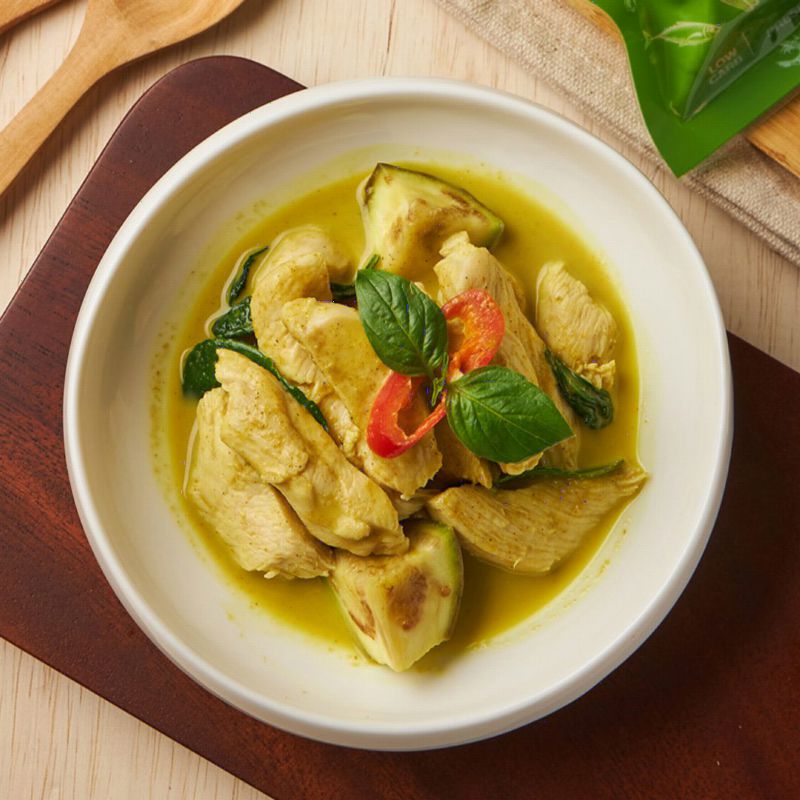
What is clean food? In short, it is food with little processing and light seasoning, made from ingredients close to their natural state, without very salty, very sweet or very oily flavors, and eaten across all 5 food groups in sensible amounts. That is how Siriraj Hospital's Faculty of Medicine and Thailand's Department of Health describe it. Eating clean does not mean cutting out carbs or living on vegetables, and it will not make you lose weight on its own if you still eat more energy than you use.
In this guide (6 sections)
What is clean food, and who defines it?
In Thailand you will see “clean food” (อาหารคลีน, ahan clean) on menus, delivery apps and convenience store shelves. The term has no fixed definition, but Thai health bodies describe it in similar ways. An article from the Department of Medicine at Siriraj Hospital's Faculty of Medicine describes clean food as food that is not altered with chemicals, or is processed as little as possible, keeping the food close to its natural state, without pickling or heavy seasoning.
The same article stresses that eating clean means eating from all 5 food groups in the right proportions: carbohydrates, protein, vegetables, fruit and fat, in amounts that match what your body needs. It does not mean just eating lots of vegetables. Thailand's Department of Health (2020) says much the same: natural food, minimal seasoning, no added colors or flavorings, and all 5 food groups.
Put simply, clean food is ordinary food made simpler: fresh ingredients, sensible seasoning and a balanced plate. It is not a special category of food you have to hunt for.
What are the principles of clean eating?
Combining the advice from Siriraj's Faculty of Medicine and the Department of Health gives 6 principles you can follow day to day.
- Choose fresh over processed. Slowly cut down on pickled food, instant food and processed meat
- Eat all 5 food groups. Include carbohydrates, lean protein, vegetables, fruit and healthy fats in sensible amounts
- Cut back on sugar, fat and salt. The Department of Health's 6:6:1 rule means no more than 6 teaspoons of sugar, 6 teaspoons of oil and 1 teaspoon of salt a day, with sodium under 2,000 mg
- Drink water instead of sweet drinks such as soft drinks or sweetened tea and coffee
- Read labels. Pick products with fewer ingredients, less processing and not too much sodium
- Change gradually. You do not have to drop your favorite foods at once. Reduce them little by little until you are used to it
What counts as clean food? Example ingredients and dishes
Clean food is already part of everyday Thai food when you choose the right ingredients and cooking methods. Here is how it breaks down by food group.
| Food group | Good choices | Cut back on |
|---|---|---|
| Starches | Brown rice, semi-milled rice, a sensible amount of white rice, whole wheat bread, sweet potato | Sweet white bread, pastries, oily fried rice |
| Protein | Chicken breast, fish, eggs, tofu, beans | Sausages, processed pork rolls (mu yo), crispy pork, very fatty meat |
| Vegetables | Leafy greens and colorful vegetables, blanched, steamed or raw | Battered fried vegetables, vegetables drowned in creamy dressing |
| Fruit | Whole fresh fruit | Sweetened juice, fruit in syrup |
| Fats | Nuts, avocado, a small amount of vegetable oil | Deep-fried food, large amounts of rich coconut milk |
Thai dishes that easily count as clean include clear tofu soup (tom jued tao hu), sour vegetable curry (gaeng som), steamed fish with lime, Thai salads and larb that are not too sweet, grilled chicken breast, and vegetables stir-fried with little oil. Here are some real CleanFit dishes with nutrition shown for each meal:
| Dish (main dish only, no rice) | Calories | Protein | Carbs | Fat |
|---|---|---|---|---|
| Tom Kha Kai | 150 kcal | 31 g | 3 g | 2 g |
| Larb Kai | 150 kcal | 28 g | 5 g | 2 g |
| Ok Kai Pha-Lo | 150 kcal | 30 g | 4.5 g | 1.5 g |
| Stir-fried Tender Pork with Cauliflower | 120 kcal | 19 g | 8 g | 1 g |
| Dory Fish with Southern Thai Yellow Curry | 110 kcal | 16 g | 6 g | 2.5 g |
Common myths about clean food
Clean food is talked about so much that several misunderstandings have grown around it. Check these:
- “Eating clean means no carbs.” Not true. Both Siriraj and the Department of Health say to eat all 5 food groups, carbohydrates included. Just choose the type and watch the amount
- “Clean food is bland.” Not necessarily. Light seasoning is fine, and herbs, chili, lime and curry pastes add a lot of flavor
- “Eating clean makes you thin automatically.” Not always. Clean food still has calories, and if you eat more than you use, you can still gain weight
- “Frozen food is not clean.” Freezing preserves food with cold, and calories and protein barely change. Read more in frozen meal prep
- “Eating clean is expensive.” You can eat clean with ingredients from any market. If you order, compare the price per meal like for like. See how in meal prep cost in Thailand
- “If the pack says clean, it is clean.” Words on the front are not a standard. Always check the nutrition label and ingredients
Can clean food help you lose weight?
It can help, but not because of the word “clean”. Clean food usually has less oil and sugar, and more protein and vegetables, so it is easier to control your energy intake and stay full. Whether you lose weight still depends on your total energy for the day.
If you want to lose weight, find your numbers first with our TDEE calculator (the page is in Thai), then choose clean food that fits them. For detailed advice on choosing food for weight loss, read weight loss food: what to eat.
If you are pregnant or breastfeeding, have diabetes or kidney disease, or take regular medication, talk to a doctor or dietitian before you cut calories or raise your protein a lot.
No time to cook: how can you eat clean?
The easiest way is to order clean food that shows clear nutrition and keep it to eat one meal at a time. Before you order, see how to choose a service in meal prep delivery in Thailand. If you work in an office and want a lunch and dinner plan with tips for taking meals to work, read meal prep for office workers.
CleanFit makes frozen, ready-to-heat clean food. There are 38 dishes with chicken, pork, noodles, fish and shrimp, and you choose every meal yourself. Every dish shows calories and protein, from 70 to 330 kcal, and each one is a main dish without rice. Meals are vacuum-sealed and keep for 120 days in the freezer. After moving one to the normal fridge compartment, eat it within 5–7 days. Every dish is made with no cooking oil, no MSG, no added sugar and no preservatives, is Thai FDA approved, and has lab-tested nutrition.
On the website, packs start at 21 meals, averaging ฿50 per meal. The delivery fee depends on your address and is shown before you pay. We also deliver outside Bangkok by temperature-controlled DHL. See meal prep delivery outside Bangkok for details.
Frequently asked questions
Is clean food the same as healthy food?
They are very close. Clean food focuses on little processing and light seasoning, while healthy food is a broader term. Both still mean eating all 5 food groups in amounts that suit your body.
Can I eat white rice when eating clean?
Yes, in a sensible amount. One ladle (thapphi) of steamed rice has about 80 kcal according to the Thai Food Exchange Lists. Brown or semi-milled rice gives you more fiber, so switch between them if you like.
Does clean food have to be unseasoned?
No. You can season it, just not heavily. The Siriraj Faculty of Medicine article notes that sensible cooking, such as cooking food properly and not adding too much seasoning, is not harmful.
What should I change first when I start eating clean?
Pick 1–2 things first, such as swapping sweet drinks for water or fried dishes for boiled or steamed ones. Add more changes one at a time instead of changing everything at once.
How long does frozen clean food keep?
It depends on how each service packs it, so follow what they say. CleanFit meals keep for 120 days in the freezer. Once moved to the normal fridge compartment, eat them within 5–7 days.

Written by the CleanFit teamCalories and protein for each CleanFit dish come from our ordering system. Figures for other foods cite the sources named in the guide.
Want to try a pack?
Choose every meal yourself, from ฿44 per meal. Every meal shows its calories and protein, and we deliver across Thailand.